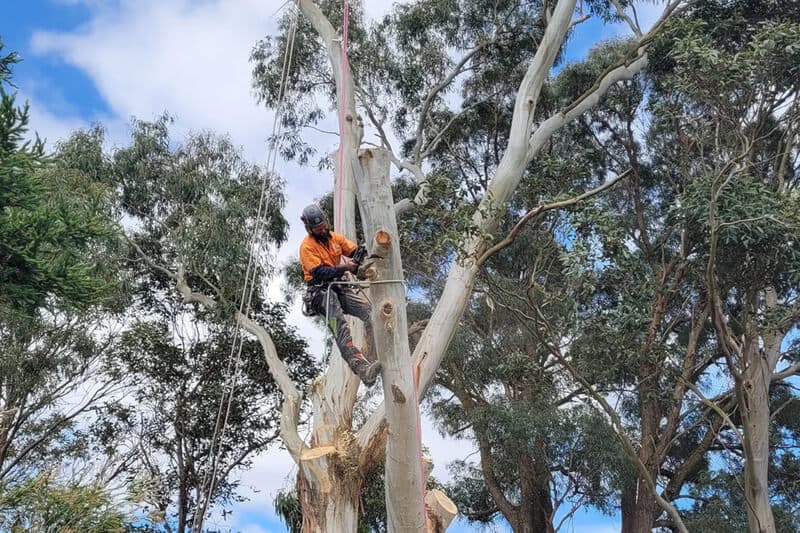
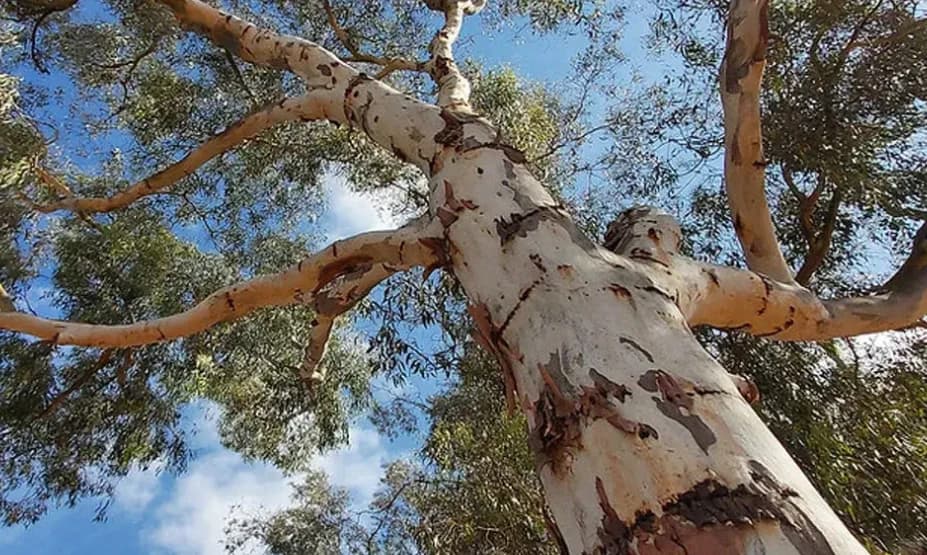
Choosing a pruning time for an established tree.
Season matters, but species, condition, flowering, weather and the reason for pruning matter too.

Start with the reason for pruning
Timing is easier to discuss once the purpose is clear. Roof clearance, deadwood, a damaged branch and formative pruning are different jobs.
The tree's species, age, condition and recent weather also matter. A calendar rule should not override visible stress, active damage or an urgent concern at the property.
Winter can be useful, but it is not a rule for every tree
Cooler conditions may suit some work, while flowering, wildlife activity, species response and local weather may point to another time. The amount and placement of live growth being removed are often more important than the month alone.
Avoid treating "winter pruning" as permission for heavy cutting. Excessive or poorly placed cuts can create weak regrowth and decay.
Check the tree and access
Before booking, note:
- dead, split or hanging branches;
- changes in the trunk, branch unions or soil around the roots;
- roof, fence, road and powerline clearance;
- access for people and equipment; and
- whether the tree is protected.
Do not approach a tree that is touching powerlines. Call Ausgrid on 13 13 88 for an electricity-network hazard.
Agree on the result
Before work starts, agree on the branches or canopy result, access, what happens to the debris and any approval needed.
Explain what needs more clearance or what concerns you about the tree. That is more useful than asking for a generic percentage or a quick "trim".
Frequently asked
Quick answers about this topic.
Is winter always the best time to prune?
No. Suitable timing depends on the species, condition, flowering pattern, weather and pruning objective.
Services related to this post
Explore the service.

Written by
John's Tree Services North Shore
Business team
- Tree removal
- Pruning and lopping
- Stumps and clearing
John's Tree Services North Shore publishes practical guides based on the tree problems customers commonly face across the North Shore and Ryde.