Tree pruning

Precision pruning for healthier, safer canopies.

AQF-qualified arborists pruning to AS 4373-2007 — crown thinning, clearance work, and formative shaping across the North Shore.

  • AQF Level 5 Arborists
  • $20M Public Liability
  • 40+ Years Experience
  • Free Quotes
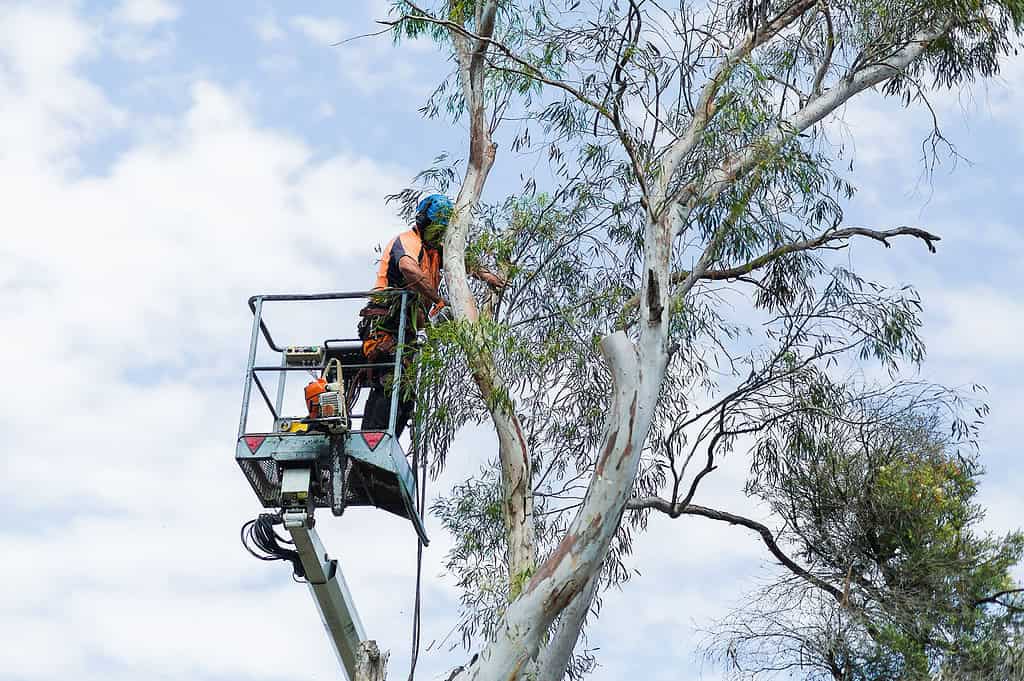
Arborist performing precision pruning on a North Shore canopy
Tree Pruning — at a glance

Tree Pruning on the North Shore, by the numbers.

Typical cost range
$350 – $3,200 per tree, depending on canopy size and access
Standard
Every cut follows Australian Standard AS 4373-2007
Permit threshold
Minor pruning under 10% canopy often exempt; major reductions need council approval
Best pruning window
Late autumn to early spring for eucalypts; post-flowering for ornamentals
Typical timeline
On-site within 5-7 business days of quote acceptance
Crew certification
AQF Level 3-5 climbers, $20M public liability
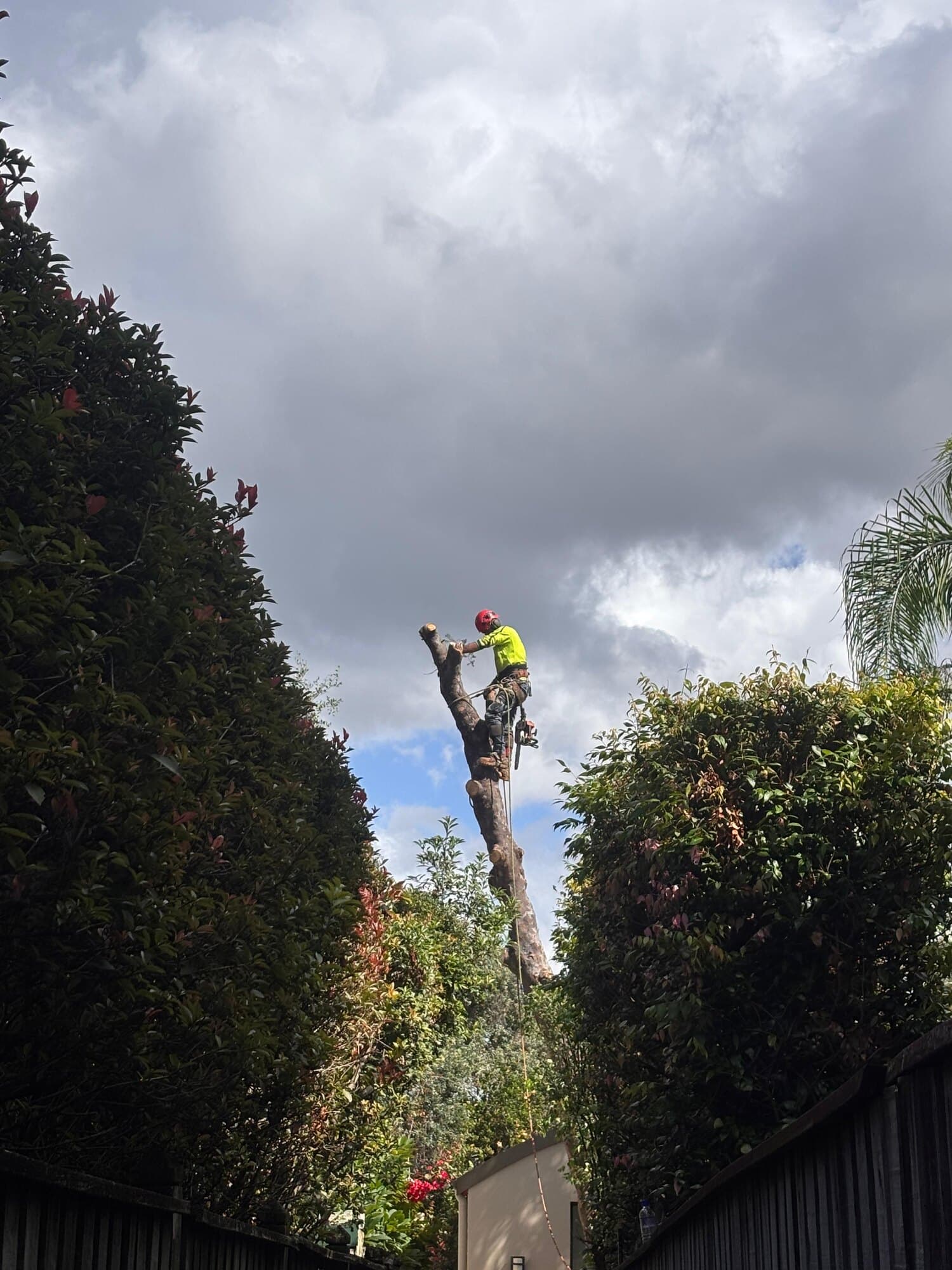
Pruned canopy on a Lane Cove jacaranda
Our practice

Pruning that keeps canopies healthy, not hacked.

Good pruning is invisible a year later — the tree looks better, lets in more light, and carries less weight on the structural limbs. Bad pruning kills trees slowly. Our AQF-qualified arborists work to AS 4373-2007, the Australian standard for pruning amenity trees, on every single cut.

We prune jacarandas, eucalypts, camphor laurels, figs, and the mature North Shore canopy species that need a hand from someone who knows the difference between formative pruning and lopping.

What's included

Every pruning job, done to standard.

  • 01

    Crown thinning

    Selective removal of secondary branches to let light through and reduce wind load.

  • 02

    Crown reduction

    Overall canopy size reduction while preserving natural form — never topped.

  • 03

    Clearance pruning

    Clearing trees from rooflines, power lines, and neighbour boundaries.

  • 04

    Deadwood removal

    Systematic removal of dead branches to eliminate drop hazards.

  • 05

    Formative pruning

    Young-tree shaping so trees develop strong, long-term structure.

  • 06

    Storm-prep pruning

    Seasonal pruning before spring storms to reduce limb failure risk.

  • 07

    Heritage species care

    Specialist pruning on heritage eucalypts, figs, and jacarandas across the North Shore.

  • 08

    Arborist report

    Written report for insurance or council documentation if required.

  • 09

    Clean cuts + mulch

    Every cut to AS 4373-2007. All prunings mulched on-site or removed.

How we work

Our pruning process.

  1. Step 01

    Canopy assessment

    Our senior arborist walks the tree, identifies structural issues, and writes a pruning prescription.

  2. Step 02

    Itemised quote

    Prescription in writing, costed against the Australian Standard. No over-pruning by default.

  3. Step 03

    Agreed scope

    We confirm the exact branches to cut before we climb — you know what to expect.

  4. Step 04

    Pruning day

    Climbers work the canopy one branch at a time, every cut to AS 4373-2007, clean wound surfaces.

  5. Step 05

    Cleanup + followup

    All prunings mulched or removed. Calendar reminder sent for the next recommended prune.

Local knowledge
Ku-ring-gai, Willoughby, and Hornsby all have protected-species lists that apply to pruning, not just removal. We check the TPO register on every job before we climb.

Arborist team note

Indicative pricing

Tree pruning pricing.

Pruning cost scales with canopy size, access, and the scope of work needed.

Tier 01

Small tree pruning

$250-$450

Trees under 5m, deadwooding or light shaping.

  • Compliant with AS 4373-2007
  • Species-specific cuts to protect long-term health
Most requested

Tier 02

Medium tree pruning

$450-$850

Trees 5-10m, crown reduction or canopy thinning.

Tier 03

Large tree pruning

$800-$1,800

Trees 10-20m, full crown work or clearance pruning.

Tier 04

Very large / specialist

$1,500-$3,000+

Trees over 20m or specimen pruning on heritage trees.

AS 4373-2007 compliant pruning by AQF-qualified arborists. Quotes scale with tree size, pruning type, and access.

Schedule a pruning plan
Client voices

What tree pruning clients say.

Three recent notes from North Shore families we worked with.

5 out of 5 stars

Third year in a row we've had them back for the jacarandas out the front. They know what they're doing, they turn up when they say they will, and the trees have never looked better. Can't ask for more than that.

Liz W.

Wahroonga

5 out of 5 stars

Big job for us, had a few trees that needed sorting out and one that was half dead. John walked around the garden with me for a good half hour, explained what needed doing and what could wait. Didn't try to upsell. Crew were polite and knew what they were on about.

Dave F.

Mosman

5 out of 5 stars

Had quotes from two other mobs who both wanted to take the old eucalyptus out. John reckoned a reduction would do it and he was right — looks heaps better and saved us a fortune. Honest bloke, will use again.

A. Johnson

Pymble

Why clients stay

Why families keep us on the calendar.

AS 4373-2007 compliant

Every cut to the Australian Standard. Over-pruning and topping are not in our vocabulary.

Heritage-canopy care

Four decades pruning heritage eucalypts, figs, and jacarandas on the North Shore.

AQF-qualified climbers

Senior climbers with AQF Level 5 certification on every job — not apprentices.

Seasonal reminders

Automated reminder for the next prune — timed by species, not by calendar quarter.

Clean-site guarantee

Every cut-off raked or mulched. Site walked before we leave.

Prescription-costed

Quote itemises exactly what branches are cut — no open-ended "trim the tree" pricing.

Questions

Tree pruning — frequently asked.

  • Late winter to early spring is ideal for most species — sap flow is lower and wounds seal faster. Native eucalypts can be pruned year-round but benefit from work after flowering. Jacarandas, figs, and camphor laurels each have their own ideal windows; we'll advise based on your tree stock.

  • Pruning that removes more than 10% of the canopy (or any work on protected species) typically requires a council permit across North Shore LGAs. Each council has different thresholds — we check the TPO register before we climb and flag any permit requirements; the property owner or a consulting arborist lodges the application where one is needed.

  • Pruning is selective cut-back at specific branch collars to Australian Standard AS 4373-2007 — the tree heals, the structure stays. Lopping is heading cuts that leave stubs and cause decay. We prune, and we only lop when reducing height is the explicit outcome a customer has asked for and the species tolerates it.

  • No more than 30% of live foliage in a single session — often less for mature specimens. Removing more triggers a stress response, weak regrowth, and eventual decline. Our prescriptions default well under the limit.

  • Most North Shore residential trees benefit from a professional prune every 2–3 years. Young trees need annual formative pruning for the first 5 years. We set a calendar reminder per tree after each visit.

By suburb

Tree pruning across every North Shore suburb.

Pick your region for species-specific pruning advice and council-specific rules.

01

Lower North Shore

The Lower North Shore spans harbour-side suburbs between North Sydney and Roseville, covering Mosman, Willoughby, Lane Cove and North Sydney council areas. It's one of Sydney's most established tree canopies with tight Tree Preservation Orders and heritage overlays.

25 suburbs

02

Upper North Shore

The Upper North Shore runs along the Pacific Highway ridge from Roseville to Wahroonga, all under Ku-ring-gai Council. The suburb is known for large leafy blocks, bushland interface zones, and some of the strictest tree-preservation rules in New South Wales.

17 suburbs

03

Hornsby Shire

Hornsby Shire covers the northern end of the train line from Beecroft through Hornsby and up to Mount Kuring-Gai, bordering Ku-ring-gai Chase National Park. It's a high-canopy bushland interface council with extensive tree controls and asset protection zone requirements.

24 suburbs

04

Ryde District

The Ryde district straddles the Parramatta River from Gladesville through to North Ryde, all under City of Ryde Council. The area mixes mid-century residential with Macquarie Park commercial precincts and river-frontage properties.

14 suburbs

05

Hunters Hill & Lane Cove

Hunters Hill and Lane Cove councils cover peninsula suburbs between Lane Cove River and the Parramatta River. It's Sydney's oldest garden suburb area — Hunters Hill is the oldest garden-suburb municipality in Australia — with blanket heritage controls and significant tree canopy.

13 suburbs

Ready to start?

Ready for a proper prune?

Book a free canopy assessment. Our senior arborist will write a pruning prescription and send a firm quote within 24 hours.

Call