Bushfire APZ clearing for Hornsby Shire properties.
BAL ratings, Asset Protection Zones, and the annual maintenance pattern for Hornsby Shire blocks backing onto Ku-ring-gai Chase National Park.

Hornsby Shire's proximity to Ku-ring-gai Chase National Park means most acreage blocks in Mount Kuring-Gai, Berowra, Hornsby Heights, and across the northern end of the shire carry a bushfire-prone designation. That designation comes with annual Asset Protection Zone (APZ) maintenance rules — and compliance isn't optional for insurance or council purposes.
What's a BAL rating?
BAL stands for Bushfire Attack Level. Every bushfire-prone property has one, assigned at the DA stage and recorded on the 149 planning certificate. The ratings are:
- BAL-LOW: minimal bushfire risk. No specific APZ rules beyond standard maintenance.
- BAL-12.5: ember attack only. Standard APZ.
- BAL-19: ember attack + radiant heat. Stricter IPA / OPA rules.
- BAL-29: significant radiant heat + embers. Annual clearing required.
- BAL-40: severe radiant heat. Large APZ, fire-resistant planting only.
- BAL-FZ (Flame Zone): direct flame contact possible. Maximum APZ, heavy clearing regime.
Your rating drives the clearing requirements.
Inner vs Outer Protection Areas
The APZ is split into two concentric zones:
Inner Protection Area (IPA) — the zone closest to the house. No trees over 5m, no continuous shrub canopy, grass kept short. Basically fuel-free.
Outer Protection Area (OPA) — the buffer between IPA and the natural bushland. Trees allowed but thinned; canopy separation required between individual specimens; understory managed.
The distances depend on slope and vegetation type. For a typical BAL-19 site:
- IPA: 10 metres from the house
- OPA: 20 metres from the house
For BAL-29 the numbers roughly double.
Annual maintenance pattern
APZ compliance requires ongoing work. Most Hornsby Shire properties need:
- Late winter / early spring clearing (August-September). Primary annual visit — understory cutback, canopy thinning, deadwood removal, leaf litter removal.
- Mid-summer check-in (December-January). Fast-growing shrub regrowth pruned back, grass height checked.
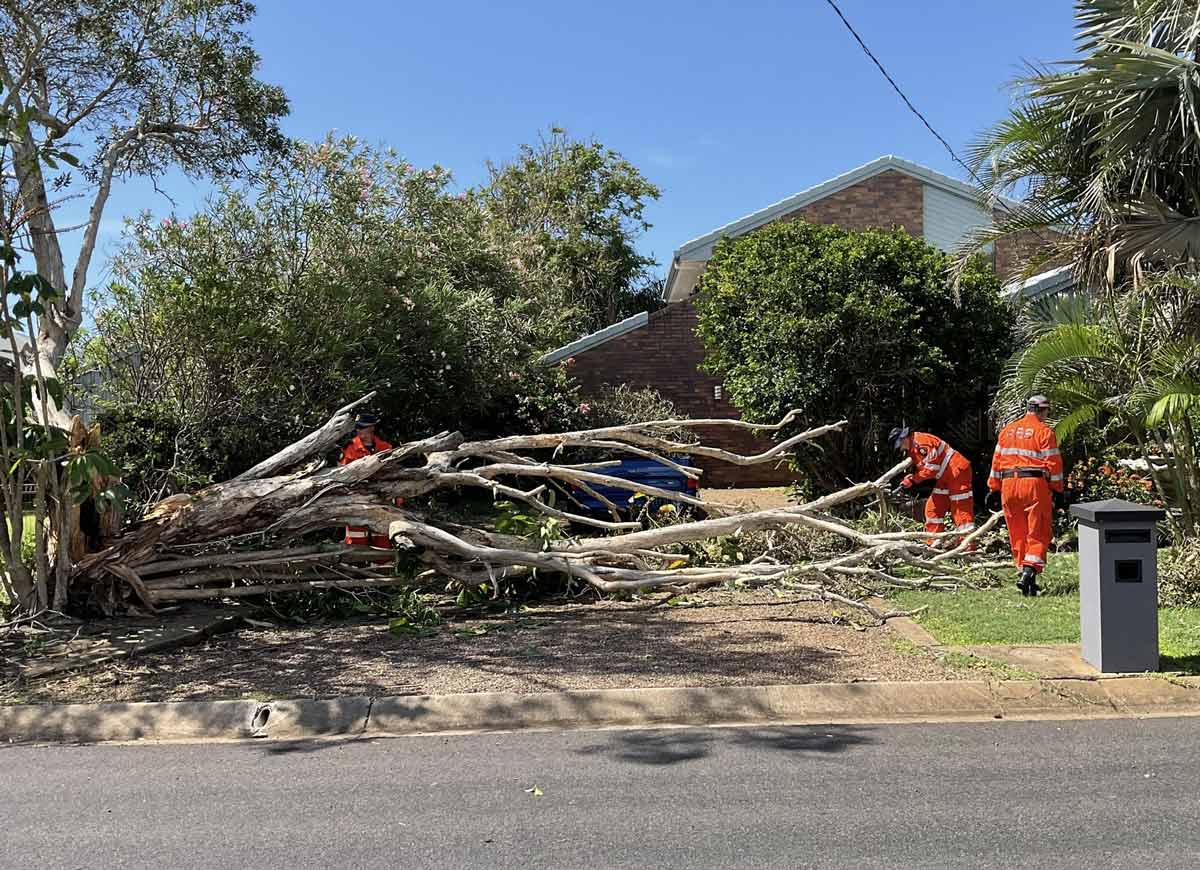
- Post-event response after major storms — hanging limbs removed, wind-thrown material cleared.
For BAL-29 and higher, twice-yearly scheduled visits plus post-event response.
What we do on an APZ clearing visit
- Site walk with your 149 certificate in hand. Confirm BAL rating, map IPA / OPA boundaries, identify protected specimens.
- Compliance plan in writing. What comes off, what stays, how the work fits your BAL rating.
- TPO check. Any protected trees within the APZ still need council paperwork — we'll flag what the application needs to cover so you or a consulting arborist can lodge it.
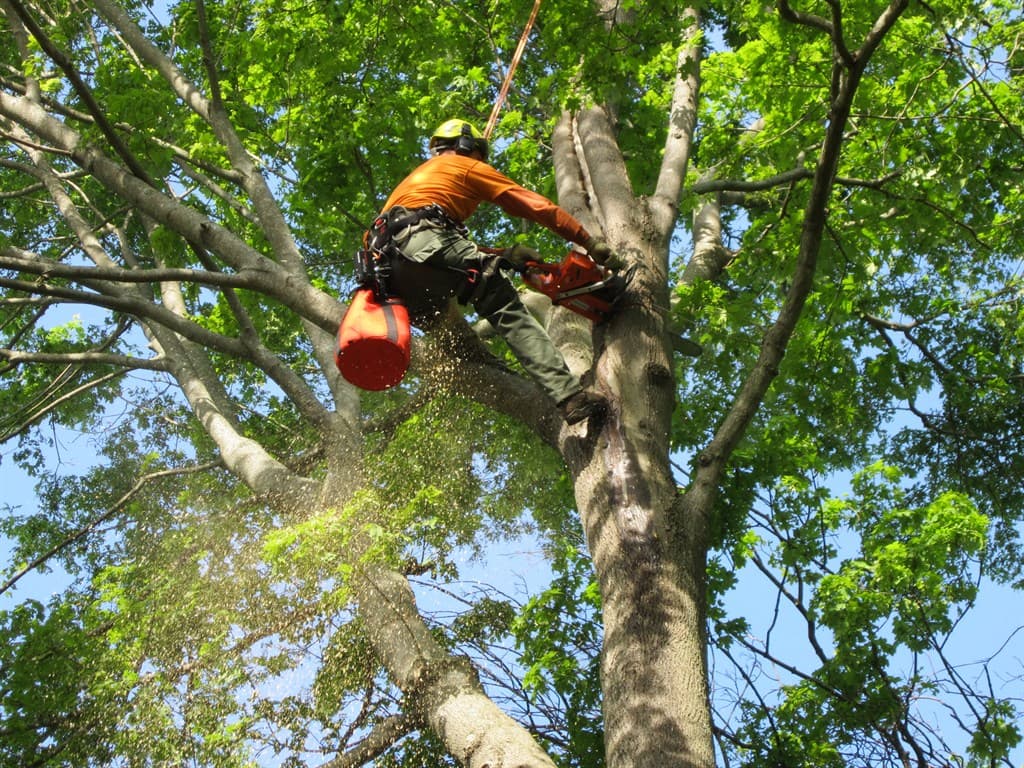
- Clearing work — understory, deadwood, canopy thinning, fuel reduction.
- Mulch and cleanup. All vegetation removed or mulched on-site for pathways and garden beds.
- Compliance evidence. We provide the photographic record and technical notes council typically wants for a maintenance compliance letter; the letter itself is produced and lodged by the property owner or a consulting arborist.
Insurance angle
Most AU insurers require APZ compliance as a condition of bushfire coverage on BAL-29 and higher sites. Lapsing the annual maintenance can invalidate the bushfire clause of your home-and-contents policy. We supply a dated written record of each visit — useful for your insurer and for your own file.
What goes into the mulch
We don't send APZ clearings to landfill. Ground material becomes mulch for your pathways, garden beds, or bushland buffer zones. Larger material is firewood for the household where applicable. The fuel reduction stays on the property, just in a form that doesn't burn.
Emergency response during bushfire season
Our after-hours crews respond to bushfire-prone Hornsby Shire properties with priority during active fire events — ember-strike cleanup, dropped-limb response, and rapid IPA resets where a fire has passed through.
If you're uncertain about your BAL rating or whether your current clearing meets council requirements, a 30-minute site visit from one of our arborists settles both questions in writing.
Frequently asked
Quick answers about this topic.
How do I know my BAL rating?
Your property's BAL rating is assigned at DA stage and recorded on the 149 certificate. If you don't know it, we can do a site BAL assessment in 30 minutes.
How often should APZ clearing be done?
Annually, ideally in late winter / early spring before bushfire season. Some higher-BAL sites need twice-yearly maintenance.
Services related to this post
Explore the service.
- Land ClearingProfessional land clearing and vegetation management across Sydney's North Shore. AQF-qualified crews, council approvals handled, and biodiversity-act compliance for bushland-interface sites.
- Tree RemovalExpert tree removal services in North Shore by qualified arborists. We provide safe, efficient tree removal for residential and commercial properties.
Written by
John Dandan
Founder & Senior Arborist
- AQF Level 5 Arboriculture
- Four decades on the North Shore
- Council TPO advisor
John leads the senior arborist team at John's Tree Services North Shore. Four decades working every street across the North Shore has given him a working map of every council's tree-preservation rules and the species-specific quirks of each suburb — useful advice he passes on to clients at quote time.